
Independent access to space
Take-off and landing on European territory: the carrier can position the orbiter at a suitable release point. The concept links European ground infrastructure with flexible mission planning.
EUROPEAN SPACEFLIGHT. REIMAGINED.
Looking to the stars changes what we believe is possible.
Sänger II. A European vision for a fully reusable space transportation system.
A bold idea. A new beginning.HYTRAC / SÄNGER II
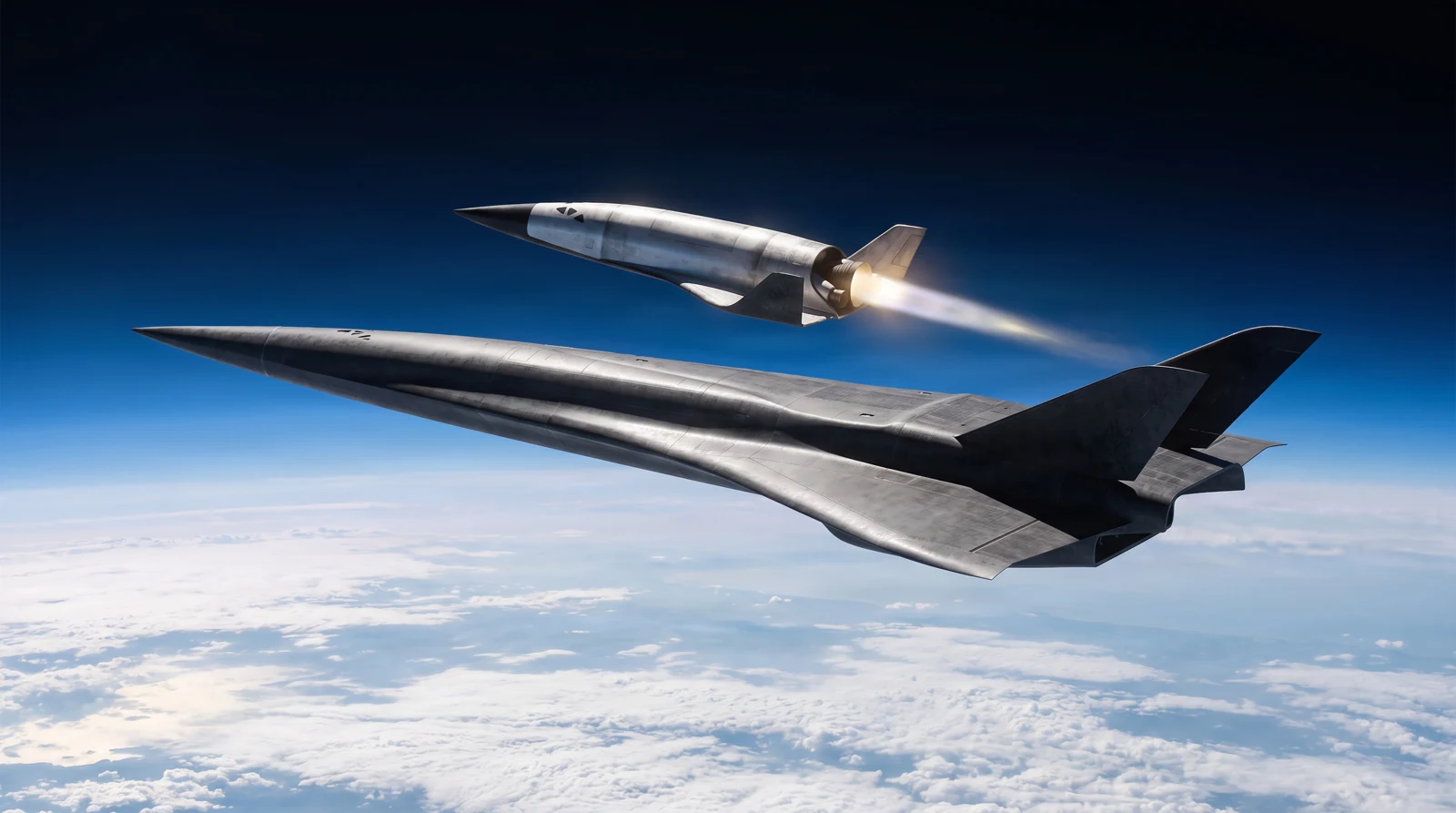
AI-generated Visualization – Concept & Art Direction: David Emmenlauer/HYTRAC, 2026
01 / THE VISION
From Europe to orbit. And back. Sänger II combines take-off from suitable major airports with the reuse of both stages. A system approach to greater European autonomy in space.
HYTRAC brings together the experience of former project participants and access to preserved development records and test components. Our aim: a sound foundation for the next generation of space transportation.
Take-off and landing on European territory: the carrier can position the orbiter at a suitable release point. The concept links European ground infrastructure with flexible mission planning.
Carrier and orbiter return to runways. Reusing both vehicles preserves the value of the hardware and opens a path to recurring transport and return missions.
Air-breathing hypersonic propulsion, thermal management and systems integration build European capabilities, with development pathways in space transportation, aviation, and civil and security-related applications.
02 / THE SYSTEM
An air-breathing carrier. A rocket-powered orbiter. In the Sänger II concept, each stage handles the part of the mission it is designed for: from runway to orbit.
THE PATH TO ORBIT
Mission sequence →
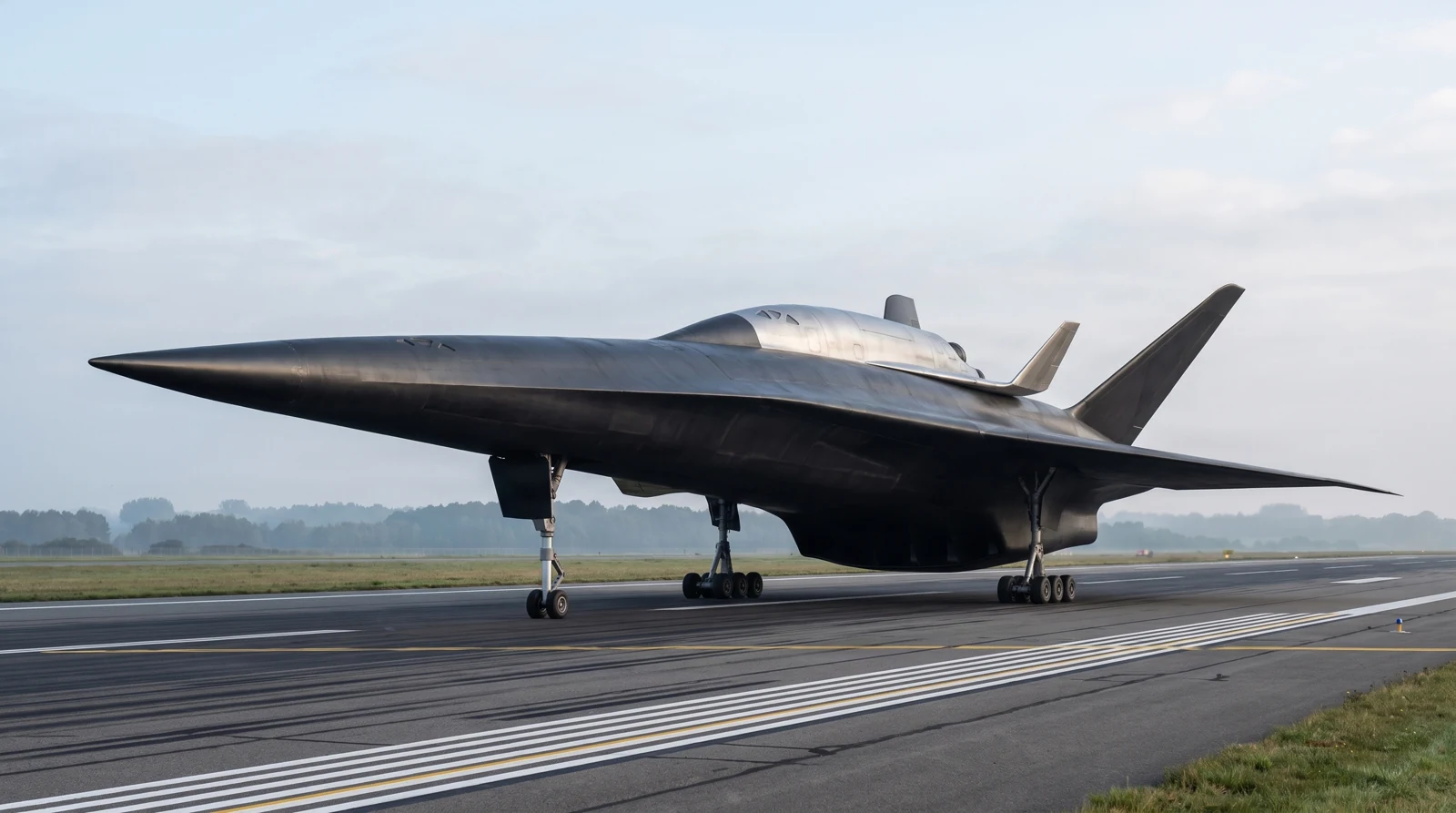
TAKE-OFF & ACCELERATION
The carrier takes off with the orbiter from a suitable major airport. Only the lower stage provides thrust: initially in turbine mode, then in ramjet mode at high speed.
Historical reference concept. Values shown are design targets, not demonstrated flight performance. Sites, flight corridors, certification and operations require reassessment.
THE PROPULSION PRINCIPLE
Air-breathing combined-cycle engines use atmospheric oxygen. The carrier therefore carries no oxidizer for its own engines. This reduces the carried mass and creates margin for the upper stage and payload. Liquid hydrogen is the fuel.
01 / TURBINE MODE
At take-off and during initial acceleration, the engine operates in turbine mode. A mechanical compressor raises the pressure of the incoming air.
02 / RAMJET MODE
At high flight speed, the inlet slows and aerodynamically compresses the incoming air. This ram effect enables ramjet operation, with no mechanical compressor in the active flow path.
The orbiter carries oxygen for its rocket propulsion. A new system study with a complete mass and energy budget will establish the overall payload benefit.
03 / THE FOUNDATION
Sänger II left a body of knowledge. And people who understand it.
The HYTRAC team combines experience in system studies, air-breathing hypersonic propulsion and historical ground testing. We aim to recover this knowledge and reassess it in light of today's technologies.
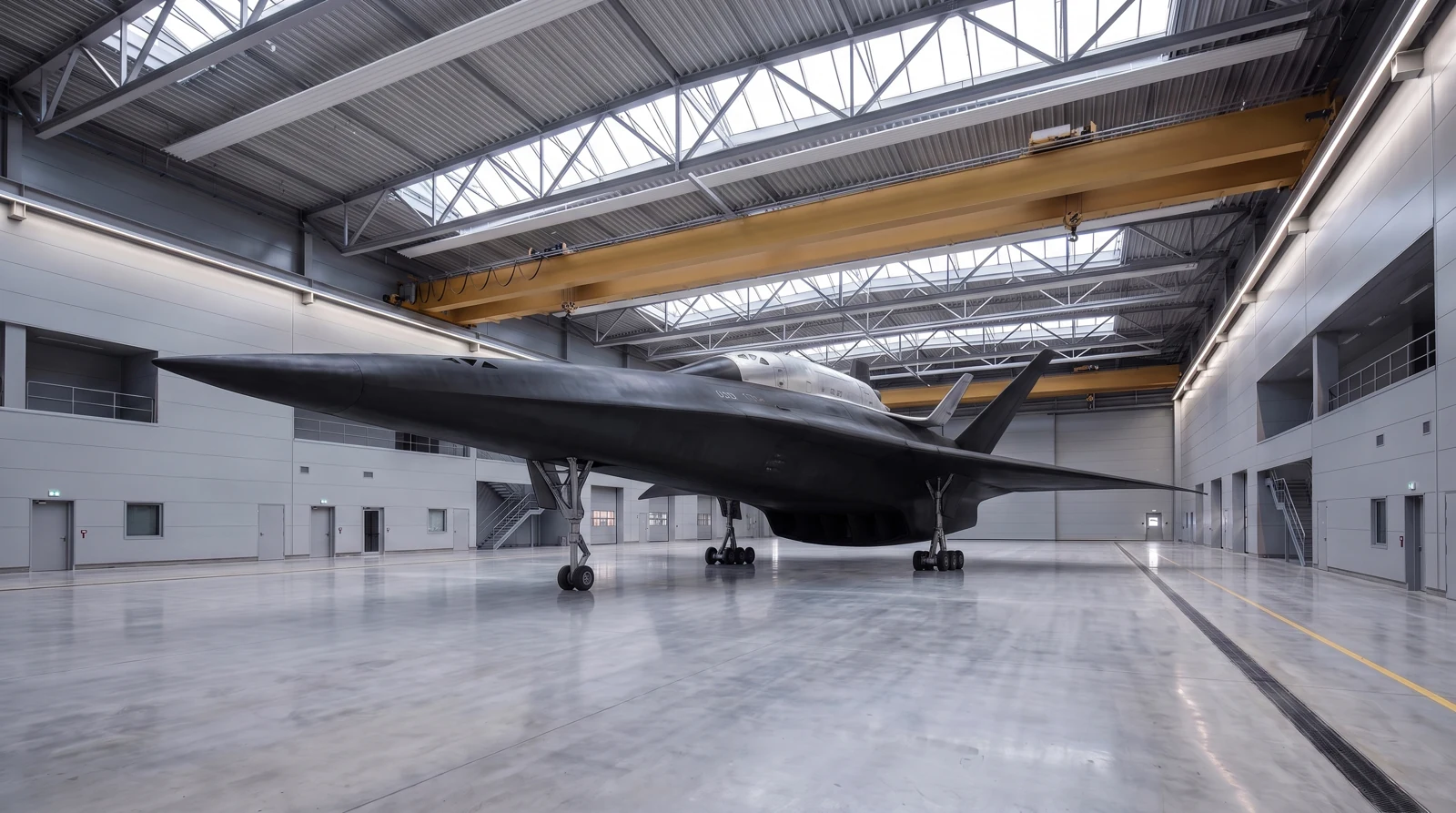
TECHNICAL CONSULTING
CURRENT WORKWe have begun securing and reviewing archival holdings. The next steps are digitization and systematic analysis of the records.
OUR AGENDA
Assess feasibility and system architecture under today's conditions.
Prepare the resumption of suitable tests and investigate key technologies.
Integrate technologies and progressively demonstrate their performance.
Establish the foundations for a fully reusable space transportation system.
THE HYTRAC TEAM
Engineering knowledge, development experience and fresh perspectives. Meet the people behind HYTRAC.
Meet the full team
Technology · Security-related applications
04 / NEWS
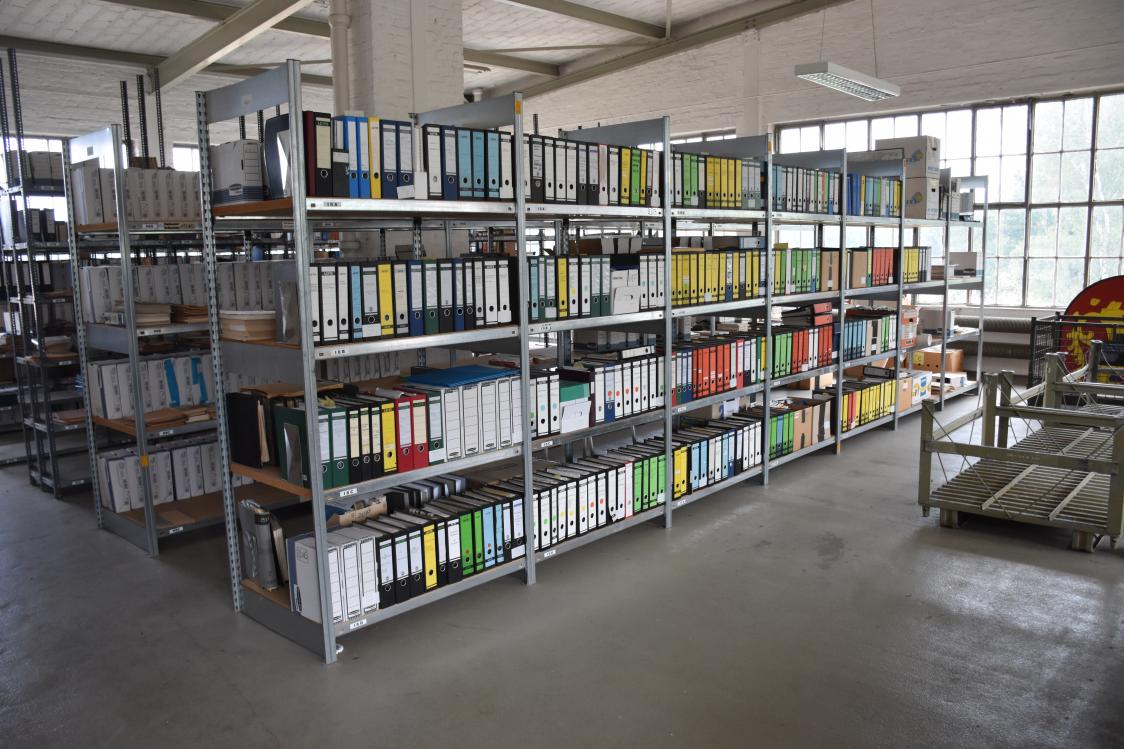
HYTRAC has begun securing and reviewing historical archival holdings. Digitization and engineering analysis are planned as the next steps.
Read articlePhotograph: HYTRAC team · Archival image
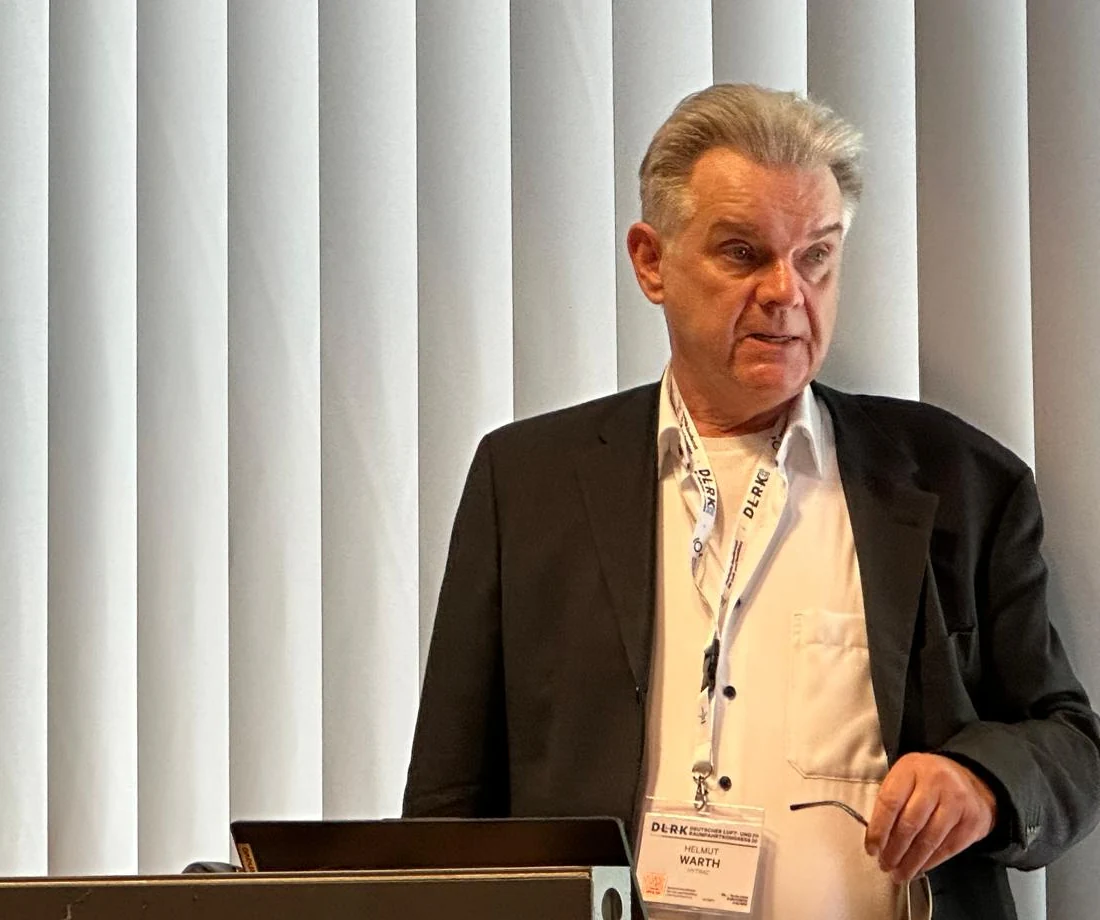
At the German Aerospace Congress, Helmut Warth presented perspectives for a technological reassessment.
Read articlePhoto supplied by the HYTRAC team · DLRK 2026
External link. YouTube is only accessed when you open it.
No. The historical programme included system studies and technology development, including ground testing. A flight-capable complete system was not built. HYTRAC aims to recover the preserved knowledge base and reassess technical feasibility under current conditions.
The concept uses suitable major airports and horizontal take-off from European territory. Site selection depends on runway requirements, hydrogen supply, flight corridors and certification, among other factors. The take-off site and release point are selected for the intended orbit.
The carrier uses atmospheric oxygen, reducing the oxidizer mass carried on board. Both stages are reusable. These are the concept’s central engineering levers. A new system study will quantify their effects on payload, cost and flight rate. Environmental assessment must also cover hydrogen production, high-altitude emissions and the full life cycle.
THE NEXT STEP
For industry, research and public funding bodies. Let's discuss system studies, technology development and technical consulting.